Your skin barrier is doing more work than you realise. Every single day, it fights off pollutants, UV radiation, harsh cleansers, temperature changes, and lifestyle stressors — all while keeping moisture locked in. When it starts to fail, the consequences show up fast: redness, dryness, sensitivity, breakouts, and accelerated ageing.
Understanding what’s happening at a cellular level is the first step to choosing the right active ingredients.
The outermost layer of your skin — the stratum corneum — functions like a brick wall. Skin cells (corneocytes) are the bricks, and a matrix of lipids including ceramides, cholesterol, and fatty acids form the mortar. When this structure is intact, water stays in and irritants stay out.
Compromised skin barrier function means this structure has broken down. The result is elevated Trans-Epidermal Water Loss (TEWL) — water escaping through the skin faster than it should — leaving skin dehydrated, reactive, and vulnerable.
Common causes include:
This is where ingredients like CloverCell® come in. Developed from sustainably farmed Irish red clover (Trifolium pratense), CloverCell® has been clinically evaluated for its ability to support skin barrier protection. In independent testing using validated in-vitro models, it demonstrated measurable benefits for compromised and sensitive skin types.
We repaired and protected the skin barrier and reduced inflammation.
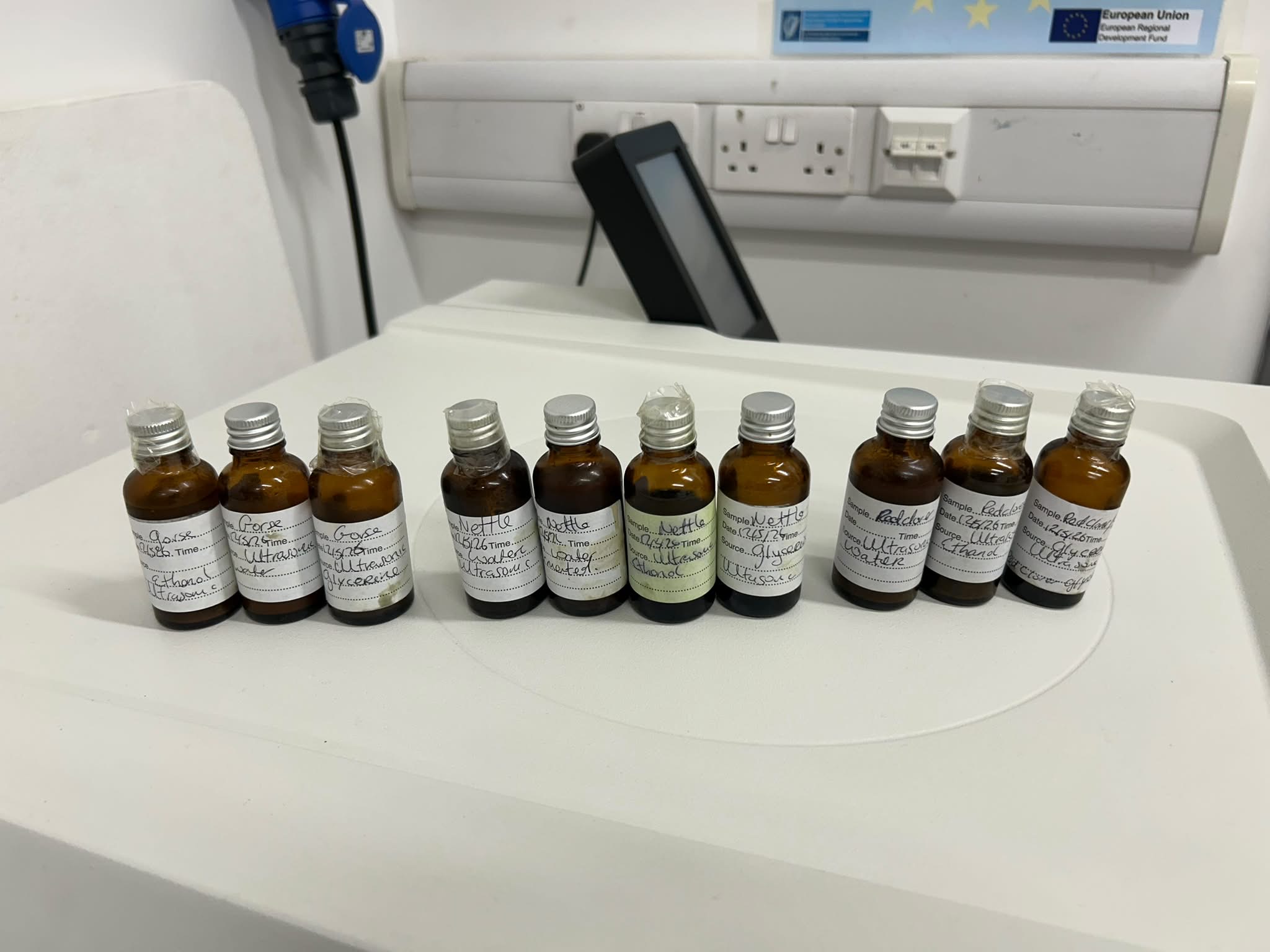
We are building our own dossiers looking at every solvent used, comparing the results to traditional longer processes CloverCell® is backed by laboratory data — the kind of evidence that supports credible claims on finished skincare products.
What Should Brands and Formulators Look For?
If you’re developing a product designed to support barrier function, look for actives with:
At BioClover, we provide all of this — along with formulation guidance to help you position your product effectively in a competitive market.
The skin barrier is your skin’s first line of defence. The actives you choose should be worthy of that responsibility.
At BioClover, every ingredient is part of a bigger journey. Through advanced analytical testing, biological evaluation and continuous research, we’re building comprehensive scientific dossiers that deepen our understanding of each botanical. With several exciting Irish bioactive ingredients already in development, this is only the beginning of our mission to combine Ireland’s natural biodiversity with modern biotechnology to create the next generation of cosmetic actives.
With two new botanical innovations currently in development, including Ireland’s first wildflower bioactive complex, we’re combining Irish biodiversity with analytical science and biological testing to create the next generation of high-performance cosmetic actives. Every ingredient is supported by a growing scientific dossier, giving formulators confidence and brands a stronger foundation for innovation.